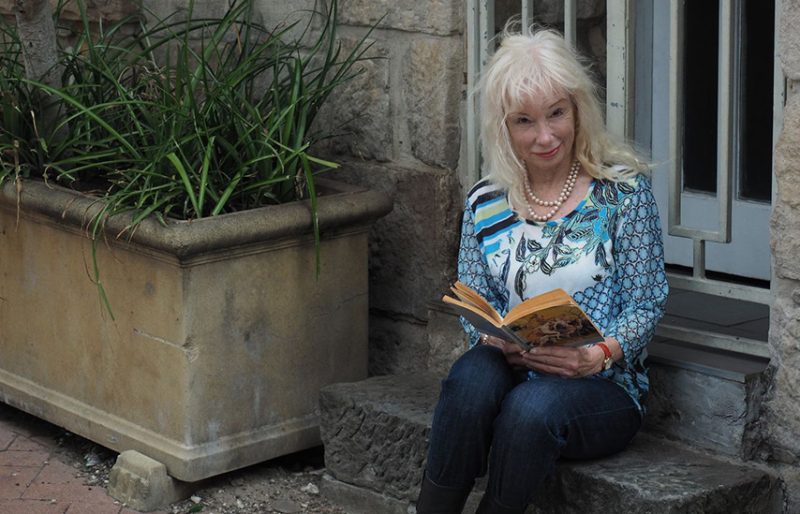
Sue Woolfe’s first novel, Painted Woman was nominated for the Commonwealth Prize, and was runner-up in the Australian Bicentennial Award. It was republished here repeatedly, and in France in 2007. She has adapted it and Leaning Towards Infinity for ABC radio and for the professional stage, and both have won Heritage Books Awards (both available from Untapped). Her third novel, The Secret Cure, (publisher UWA) is currently being adapted for an opera. Her fourth novel, The Oldest Song in the World, (2012, Harper Collins) is now available as an ebook. Her fifth is a collection of short stories (2017,Simon and Schuster) Do You Love Me or What? And now, her sixth, the novel she had to write, The Girl Who Climbed on Rooves
 Sue Woolfe taught Creative Writing at Sydney University of many years, and acknowledges the continuing support of SACE at Sydney University in her research work. At NIDA (National Institute of Dramatic Arts) she taught what neuroscience knows about creativity to playwrights at NIDA, and to composers in The School of Music, ANU (Australian National University). She has co-authored with Kate Grenville to acclaim, Making Stories: How Ten Australian Novels Were Written (Allen and Unwin 1991) and as solo author her PhD thesis: The Mystery of the Cleaning Lady: a Novelist looks at Neuroscience and Creativity (UWA 2007), and numerous scholarly chapters and papers. She has taken many overseas creative writing retreats.
A preview of the neuroscience of creativity that she teaches (shot in COVID) here.
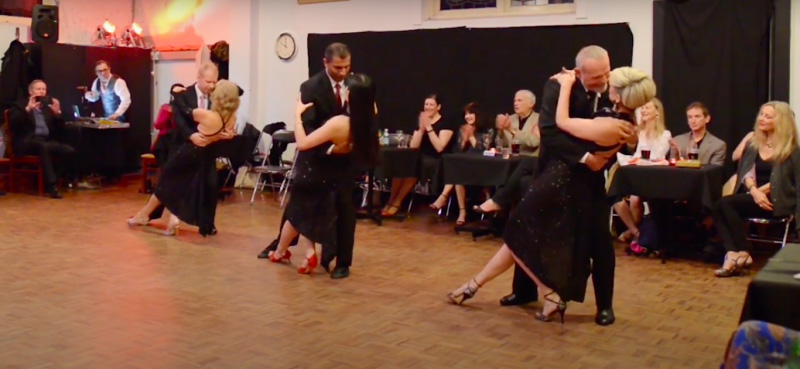
And most nights, she dances Tango, Argentinian style.